Form Object

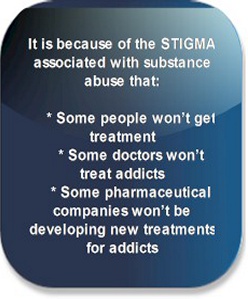
Stigma Prevents a Person from Seeking Help!
Everyday a nurse is reported to a board of nursing in this country. While there are numerous reasons a nurse might be reported, the most prevalent reason is due to impairment from substance abuse and/or chemical dependence.
How can this be? With all of their training, how could they possibly let this happen to themselves? They should know better than to get mixed up with drugs!
If you are thinking, “Exactly! How could these professional health care providers, with all of their knowledge and experience, let themselves become an addict?”, then you are in good company. The majority of people around the world think the same thing and ask the same questions. And therein lies the greatest obstacle to effectively deal with this DISEASE called addiction.
Because this disease starts with someone voluntarily using a mood altering substance, we make the assumption that they can stop “if they really want to, they just don’t want to!”
If we approached other chronic, progressive, ultimately fatal diseases in the same way we do THIS disease, morbidity and mortality rates would skyrocket. Right now, we are treating this disease as if it were a broken leg or bad infection. And we’re not doing a very good job. We wait too long to initiate treatment, treatment is not long enough or intensive enough, and there is inadequate follow up and monitoring.
We want to use our experience, strength and hope to advocate for the nurse struggling with this disease!
We can help guide the nurse through the process to get the help they need in order to save their life, rebuild relationships with family, and give them the tools they need to reenter the practice of nursing, if and when their treatment team gives them the green light. An addict isn’t responsible for their disease, but they ARE responsible for their recovery.
Those of us with this disease are NOT “bad” people trying to become “good”. We have a terrible disease and are trying get well! Unfortunately, we have lots of well intentioned people providing a great deal of inaccurate information which only serves to maintain the stigma which prevents people from seeking help. This attitude has GOT to change if we ever hope to turn things around.
Everyday a nurse is reported to a board of nursing in this country. While there are numerous reasons a nurse might be reported, the most prevalent reason is due to impairment from substance abuse and/or chemical dependence.
How can this be? With all of their training, how could they possibly let this happen to themselves? They should know better than to get mixed up with drugs!
If you are thinking, “Exactly! How could these professional health care providers, with all of their knowledge and experience, let themselves become an addict?”, then you are in good company. The majority of people around the world think the same thing and ask the same questions. And therein lies the greatest obstacle to effectively deal with this DISEASE called addiction.
Because this disease starts with someone voluntarily using a mood altering substance, we make the assumption that they can stop “if they really want to, they just don’t want to!”
If we approached other chronic, progressive, ultimately fatal diseases in the same way we do THIS disease, morbidity and mortality rates would skyrocket. Right now, we are treating this disease as if it were a broken leg or bad infection. And we’re not doing a very good job. We wait too long to initiate treatment, treatment is not long enough or intensive enough, and there is inadequate follow up and monitoring.
We want to use our experience, strength and hope to advocate for the nurse struggling with this disease!
We can help guide the nurse through the process to get the help they need in order to save their life, rebuild relationships with family, and give them the tools they need to reenter the practice of nursing, if and when their treatment team gives them the green light. An addict isn’t responsible for their disease, but they ARE responsible for their recovery.
Those of us with this disease are NOT “bad” people trying to become “good”. We have a terrible disease and are trying get well! Unfortunately, we have lots of well intentioned people providing a great deal of inaccurate information which only serves to maintain the stigma which prevents people from seeking help. This attitude has GOT to change if we ever hope to turn things around.
Copyright © Peer Advocacy for Impaired Nurses, LLC, 2008- 2011 All Rights Reserved.
Privacy Policy | Terms of Use
Privacy Policy | Terms of Use